
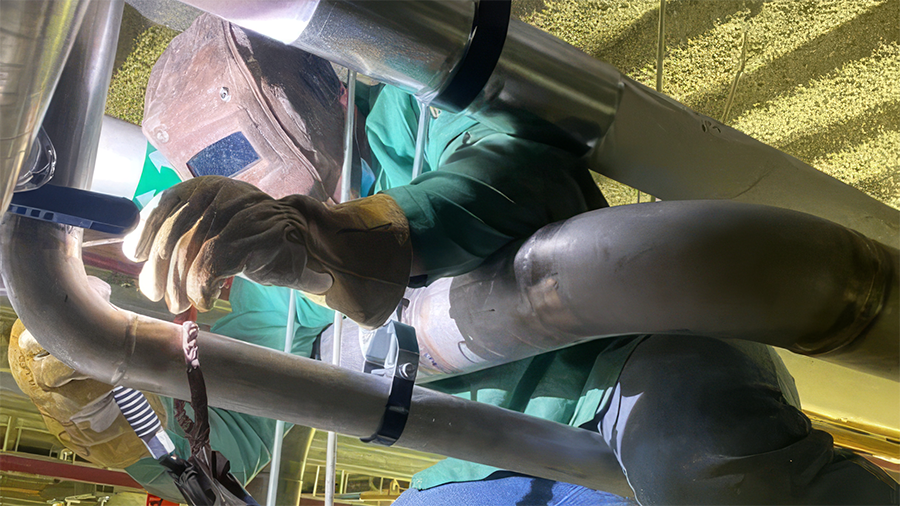
When Is It Time to Retrofit Your Commercial HVAC System?
Managing commercial properties requires balancing financial efficiency, occupant comfort, and operational reliability. At the heart of any commercial facility lies its heating, ventilation, and air conditioning network—a critical infrastructure responsible for maintaining precise climate control day in and day out. However, as equipment ages, performance degrades, and energy costs rise, facility managers and building owners face a pivotal decision: should you repair, replace, or opt for a commercial HVAC retrofit?
A commercial HVAC retrofit allows businesses to modernize existing HVAC systems without the staggering capital investment or business disruption associated with a complete system overhaul. By replacing outdated sub-assemblies and upgrading controls, commercial buildings can achieve significant energy savings, improve indoor air quality, and extend the lifespan of their mechanical infrastructure.
Here is a comprehensive guide to determining when it is time to retrofit your commercial HVAC system, which components offer the highest return on investment, and how Hilton Mechanical delivers tailored mechanical engineering solutions for your facility.
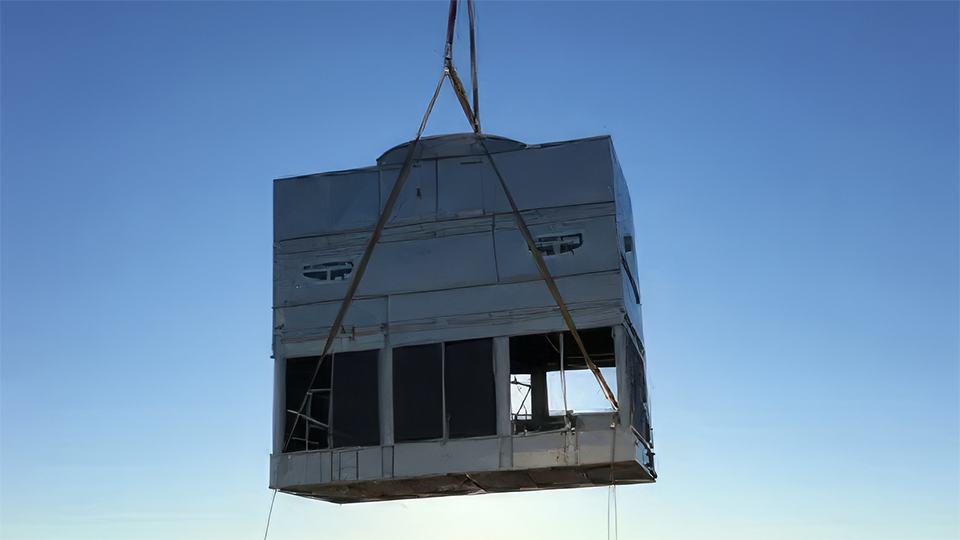
What Is a Commercial HVAC Retrofit?
A commercial HVAC retrofit involves updating existing equipment with modern, high-efficiency components and advanced control systems, rather than performing a full tear-out and installing a new HVAC system.
Unlike a total system replacement, a retrofit preserves the structural infrastructure—such as primary ductwork, piping headers, and major housing units—while replacing or optimizing aging components, including compressors, boilers, chillers, heat pumps, and furnaces.
Comparing System Options: Repair vs. Retrofit vs. Full Replacement
Facility managers often weigh three distinct paths when addressing aging commercial climate control infrastructure:
– System Repair: Ideal for minor fixes or isolated component failures in newer equipment. While it requires low initial capital expenditure, frequent repairs on aging units can quickly lead to high cumulative operational costs and unmitigated energy inefficiency.
– HVAC Retrofit: Modernizes central mechanical subassemblies (such as compressors, chillers, and control systems) while retaining existing infrastructure, such as ductwork and piping. This path provides moderate initial costs, significant energy savings, long equipment lifespans, and minimal operational downtime.
– Full Replacement: Involves completely removing and reinstalling the entire HVAC infrastructure. Although it offers maximum efficiency and a brand-new warranty, it requires a high capital outlay and causes substantial disruption to facility operations.
Retrofitting bridges the gap between basic maintenance and full system replacement. It allows building owners to take advantage of cutting-edge energy-efficiency technologies while keeping operating costs under control and complying with evolving local building codes.
7 Major Signs It’s Time to Retrofit Your Commercial HVAC System
1. Escalating Energy Costs and High Energy Consumption
If your monthly utility bills are steadily climbing despite stable utility rates, your commercial HVAC system is likely losing efficiency. Over time, friction, scale build-up, and mechanical wear increase overall energy consumption. Modernizing aging chillers, upgrading air handler fan motors, or retrofitting rooftop units with variable frequency drives (VFDs) can drastically reduce energy use and restore baseline performance.
2. Frequent Breakdowns and Rising Maintenance Costs
When repair costs begin rivaling the amortized cost of new equipment, continuing to patch up old machinery becomes financially unsustainable. Recurring component failures—such as a failing condenser coil, worn compressors, or cracked heat exchangers in furnaces—signal that internal systems are nearing the end of their operational lifecycles.
3. Inconsistent Temperatures and Poor Climate Control
Are occupants constantly complaining about hot spots, cold drafts, or humidity control issues? Uneven heating and cooling across different zones often point to outdated thermostats, failing dampers, or inadequate control systems. A targeted retrofit updates thermal management technology to restore balanced airflow and consistent climate control.
4. Deteriorating Indoor Air Quality (IAQ)
Modern commercial buildings require strict attention to indoor air quality to protect employee productivity and public health. Outdated filtration, accumulated debris within aging ductwork, or inefficient exhaust air systems can lead to poor ventilation. Retrofitting allows for high-efficiency air filters, dedicated outdoor air systems, and advanced filtration units that continuously remove pollutants and stale air.
5. Outdated Controls and Lack of Automation
If your facility still relies on manual pneumatic controls or standalone non-programmable thermostats, you are missing out on substantial efficiency gains. Integrating your equipment with a modern building automation system (BAS) allows facility managers to monitor system health, run real-time diagnostics, and automatically optimize schedules.
6. System Age Exceeding 10 to 15 Years
While major mechanical infrastructure like boilers or heavy industrial piping can last decades, core moving components—such as compressors, air handler units, and rooftop units—typically reach maximum economic efficiency around 10 to 15 years of age. Retrofitting mid-life equipment restores peak efficiency before major mechanical failures occur.
7. Non-Compliance with Updated Building Codes and Environmental Standards
Energy regulations and local building codes are continuously evolving to mandate lower carbon footprints and phase out harmful refrigerants. A targeted retrofit ensures your facility complies with environmental standards and updated safety mandates without requiring a complete building overhaul.
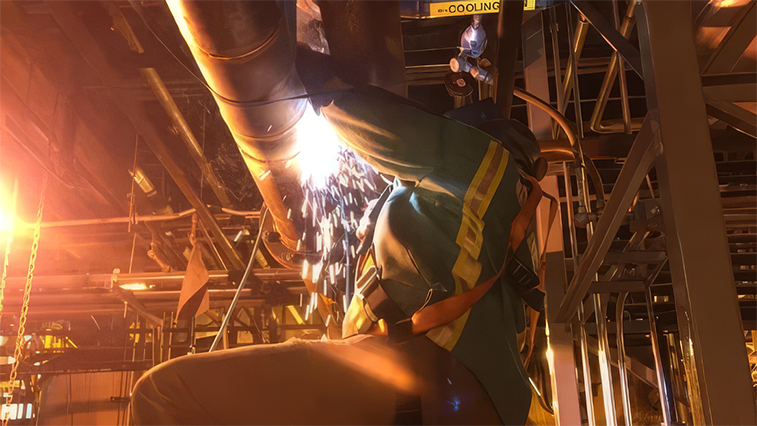
Key Components Optimized During a Retrofit
A successful retrofit targets the high-impact components of your heating, ventilation, and air-conditioning system. Below are key systems that yield the greatest performance improvements:
Advanced Control Systems & Building Automation
Upgrading controls is often the single most cost-effective retrofit step. Integrating smart thermostats and a centralized building automation system provides complete visibility over energy use, enabling automated setpoint adjustments, occupancy scheduling, and instant fault diagnostics.
Chillers, Boilers, and Heat Pumps
Central plant equipment accounts for a massive portion of total energy consumption:
– Chillers: Upgrading older chillers with variable-speed drives and modern refrigerants improves part-load efficiency.
– Boilers: Modern condensing boilers maximize fuel efficiency and significantly lower annual operating costs.
– Heat Pumps: High-efficiency heat pumps offer versatile, all-electric heating and cooling solutions ideal for commercial properties.
Air Handling Units, Rooftop Units, and Compressors
Retrofitting rooftop units (RTUs) and an internal air handler with premium-efficiency motors, upgraded condenser units, and high-efficiency compressors reduces electrical load while enhancing cooling reliability.
Ventilation & Heat Recovery
Optimizing air distribution ensures continuous comfort and fresh air intake:
– Demand-Controlled Ventilation (DCV): Adjusts ventilation rates based on real-time space occupancy, preventing unnecessary conditioning of empty spaces.
– Energy Recovery Ventilators (ERV): Captures thermal energy from outgoing exhaust air to pre-condition incoming outdoor air, drastically reducing total heating and cooling loads.
– Economizers: Use cool outdoor air for natural space cooling whenever ambient conditions permit.
Ductwork Sealing, Air Filters, and Filtration
Inspecting and restoring existing ductwork eliminates air leaks that waste conditioned air. Upgrading to high-efficiency MERV-rated air filters and advanced humidity control equipment further protects indoor air quality and tenant health.
The Strategic Benefits of a Commercial HVAC Retrofit
Investing in a commercial HVAC retrofit delivers measurable financial and operational returns for facility managers and building owners:
– Substantial Energy Savings: Retrofitted systems can reduce facility energy consumption by 20% to 40%, resulting in immediate monthly savings on utility bills.
– Lower Operating Costs: Upgrading worn components reduces emergency repair calls, maintenance downtime, and unexpected capital expenditures.
– Enhanced Occupant Comfort & Productivity: Precise climate control and superior indoor air quality create healthier, more comfortable work environments.
– Reduced Environmental Footprint: Improved energy efficiency aligns your commercial properties with sustainability goals and green building certifications.
– Extended Equipment Lifespan: Modernizing key sub-assemblies takes operational strain off core machinery, adding years to your mechanical infrastructure.
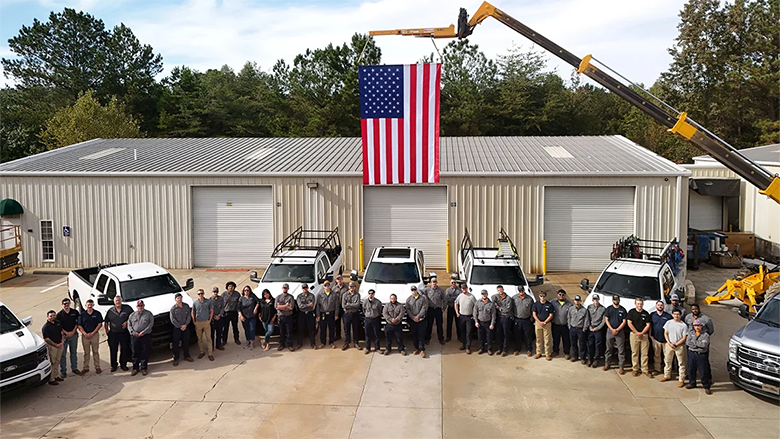
Partner with Hilton Mechanical for Your Commercial HVAC Retrofit
Executing a seamless retrofit requires deep technical expertise, detailed site analysis, and precision installation. At Hilton Mechanical, our experienced team of mechanical engineers and certified HVAC technicians specializes in custom mechanical solutions for commercial and industrial applications.
From central plant retrofits, heavy piping, and modular skid fabrication to custom ductwork optimization and advanced control integration, Hilton Mechanical delivers turnkey solutions engineered to minimize disruption and maximize long-term uptime.
Contact Hilton Mechanical Today
Ready to optimize your facility’s mechanical infrastructure, lower energy costs, and boost operational performance?
Contact the experts at Hilton Mechanical today to schedule a comprehensive mechanical evaluation and explore custom retrofit solutions tailored to your building’s unique operational needs.